

 Back
Back
















Telematics makes fleet management safer and cheaper
May 07, 2026Anyone managing a fleet knows how the costs add up. Fuel prices do not stay flat, and vehicles break down at the worst moments. Most of the time, you have no real idea what is happening on the road until a driver picks up the phone with bad news. Telematics gives you a live view of every vehicle in the fleet. Once that data starts coming in, you realize how many daily decisions were being made on incomplete information or no information at all. Once the data starts coming in, the gaps become difficult to ignore, and so do the places where money and time are being lost without anyone noticing.
The technology behind telematics
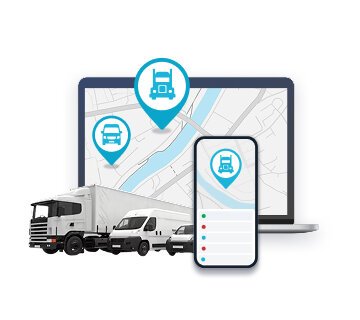
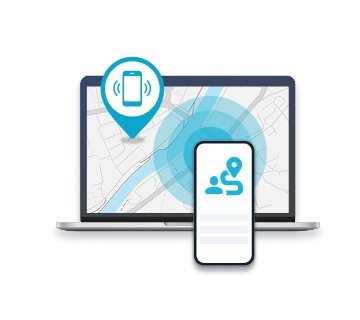
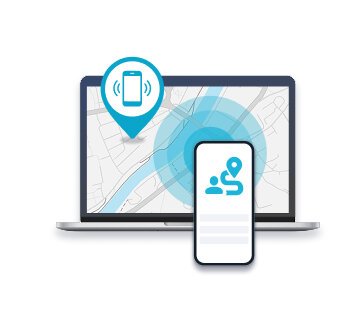
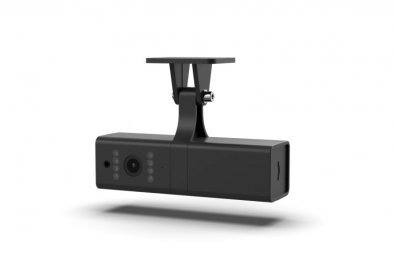
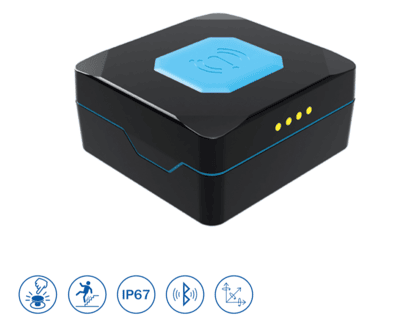
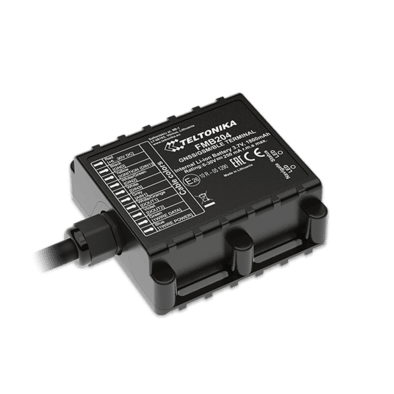
A tracking device installed in the vehicle sends regular updates to a central dashboard where you can view location, speed, route history, and engine status from a computer or phone. There is no waiting for drivers to report back or attempting to piece together what happened during the day.
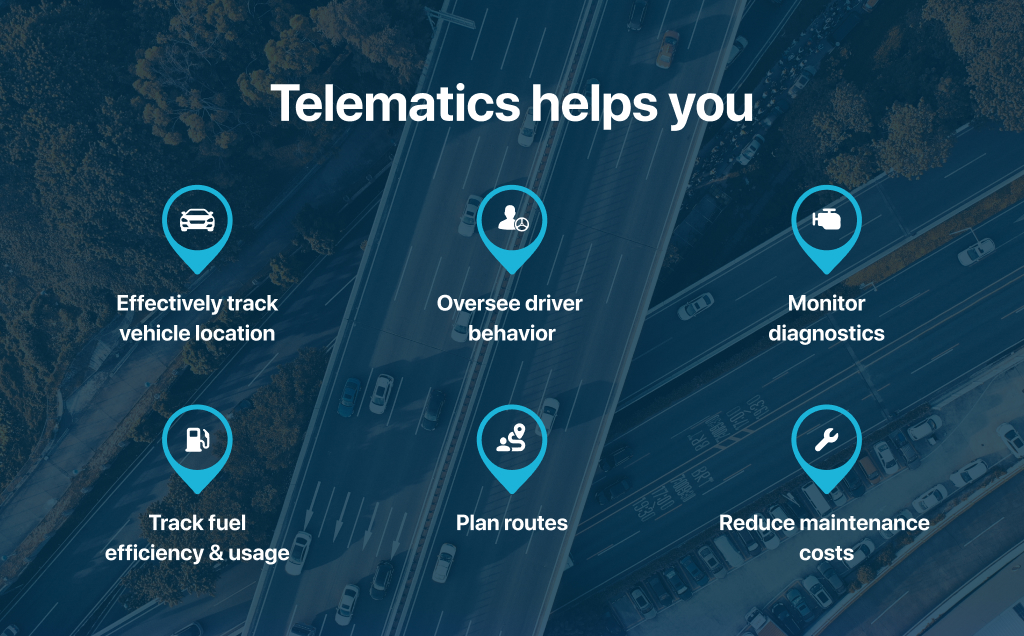
Telematics combine GPS positioning, wireless communication, and onboard sensors. The fleet data reaches you while it is still useful rather than after the fact. Fleet size does not matter here. The same setup that works for a five vehicle operation can scale without issue to several hundred. Once a telematics device is fitted to a vehicle, it begins collecting a range of operational data.
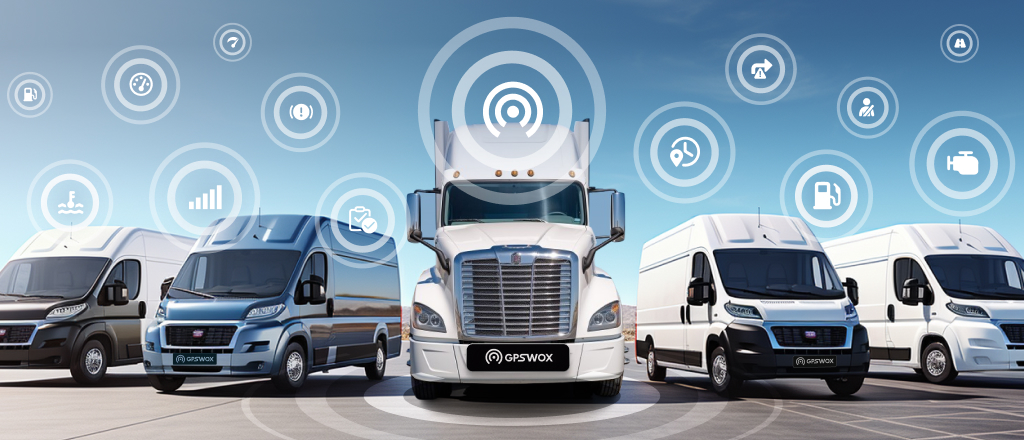
The device tracks real time location so you always know where each vehicle is on the map. It also logs speed, braking habits, and acceleration per driver. Engine sensors feed data back continuously, and if a reading falls outside the normal range, you get an alert. Fuel use is tracked per vehicle as well, which makes it much easier to see where fuel is actually going.
A single dashboard shows you the status of every vehicle without requiring phone calls or waiting for end of day reports. There is no ambiguity about where your trucks are or why an engine light came on. With telematics and tracking from GPSWOX, you get the information needed to manage your fleet before problems become expensive surprises.
How telematics works for you
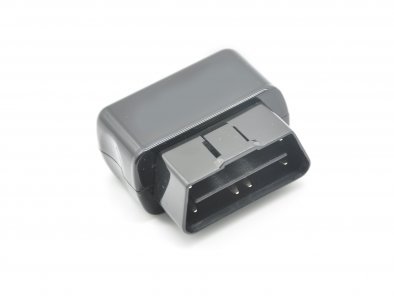
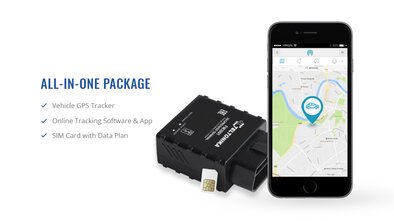
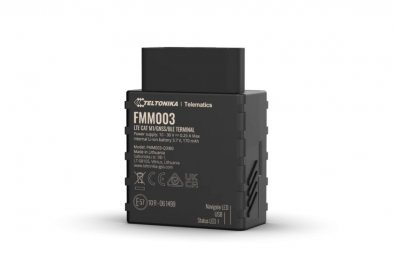
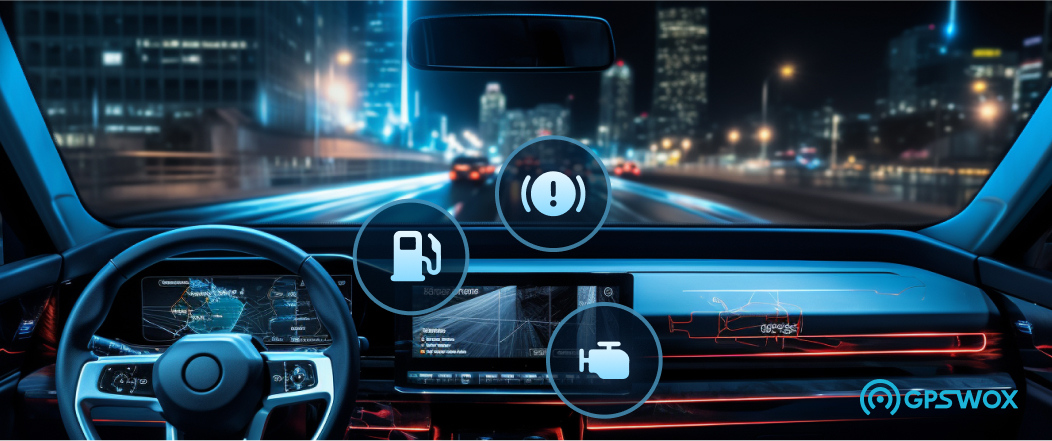
The technology puts you in control of fleet management even when you are not physically near any of the vehicles. Just install a small tracking device that plugs into the OBD II port or connects to the vehicle's onboard systems, and it immediately begins collecting data on everything from engine diagnostics to how the driver is handling the vehicle. That information is sent to a cloud based platform where it becomes accessible in one place.
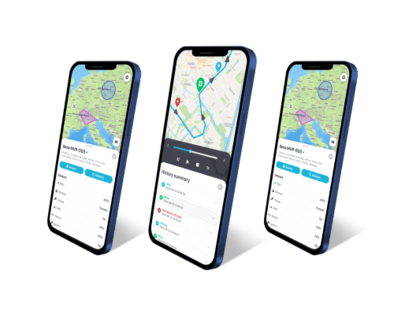
The tracking device collects location, fuel levels, speed, and driver actions like sudden stops or hard acceleration, then sends all of it to secure servers for processing. Everything feeds into an online dashboard that you can pull up on your computer or phone. Maps, graphs, and alerts for each vehicle. After a few days of data, you start noticing things that were not obvious before, like a driver who takes the same unnecessary detour every Tuesday or a vehicle that idles for forty minutes at each stop. GPSWOX keeps you connected to what is happening, regardless of where you are. It is a fleet operations center that fits in your pocket.
Spending less on fuel
Fuel costs take a serious portion out of most fleet budgets, and if you are watching expenses closely, you have probably wondered where all that fuel is actually going. Telematics provides the data to answer that question with specifics rather than estimates.
When you have real time information about how vehicles are being driven, you can identify the exact behaviors that waste fuel. Some drivers leave engines running during long stops while waiting for a delivery to be unloaded. Others take routes that add unnecessary kilometres. With telematics, all of this shows up clearly in the reports instead of staying hidden in your monthly fuel receipts.
Most drivers adjust their habits once they see their own numbers. Tightening routes cuts out unnecessary kilometres and reduces idle time. Some companies have reduced fuel spending by 25% simply by using telematics data to adjust driving behaviours and routing.
Avoiding breakdowns
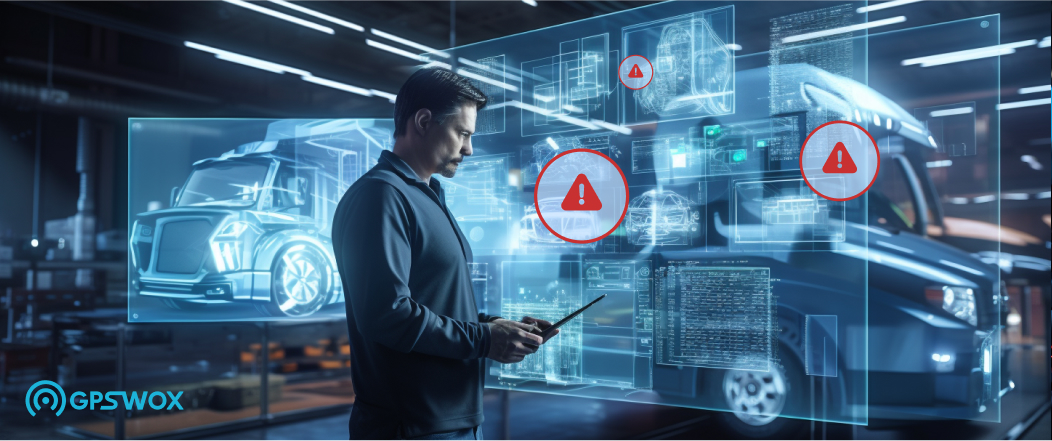
When a vehicle stops working mid route, you are dealing with a late delivery, an unplanned repair bill, and a driver waiting on a tow truck. Most breakdowns do not appear without warning. The signs are there in the engine data, but without tracking, nobody sees them until the vehicle is already on the side of the road.
Telematics monitors engine temperature, battery condition, and fuel patterns. You get notified when readings move outside of the normal range. The system flags unusual engine temperatures and irregular fuel consumption that could point to a developing problem, usually early enough to act before it gets serious. Service reminders go out based on mileage and engine hours; nothing slips through because someone forgot to check the schedule.
Driver behavior and safety
Driver safety is about more than traffic regulations. Your vehicles represent a significant financial commitment, and the people behind the wheel need to get home in one piece. Telematics gives you a direct view of how each driver handles the vehicle on any given day.
If someone is braking hard repeatedly or regularly going over the speed limit, that information shows up in the performance reports. When the data shows that one driver is averaging 30% more fuel consumption than everyone else on the same route, you can pull up the report and work with that person to fix it. Some fleets run competitions between drivers based on safety scores, with bonuses for the top performers. Drivers who know their performance is being recorded adjust faster than most managers expect.
Real world success stories
These results happen in practice, not just in theory. Companies see measurable improvements after implementing telematics.
Cutting fuel costs at a delivery company
A delivery operation was dealing with high fuel bills and packages being late. After installing telematics, they identified that some drivers were taking longer routes and idling during loading. Fuel spending dropped by close to 20%, and delivery times improved noticeably as a result.
Ride sharing company fixed inconsistent driving
A ride sharing company had a wide variation in driving style across its fleet. The telematics data made it obvious who needed work. Management posted a leaderboard tied to safety scores, and passenger ratings reflected the change within weeks.
Getting a city fleet under control
A municipality was struggling to keep garbage trucks and street maintenance vehicles where they needed to be. Once the public services team started using telematics, they adjusted collection routes and scheduled maintenance during off peak hours. The result was a meaningful improvement in efficiency that benefited both the workers and the residents they served.
Fleet technology
Telematics platforms today do far more than they did three or four years ago. Systems in testing now can not only report what is happening with a fleet in real time but also forecast what is likely to happen next. Consider a system that sends an alert indicating a vehicle will probably need maintenance within the next few days, based on subtle changes in engine performance. With faster mobile networks rolling out globally, the speed and accuracy of these data systems will continue to improve.
Why you should consider GPSWOX
Now that you have seen what telematics can do for fleet management, the question becomes which solution fits your operation. GPSWOX is worth a serious look if you are looking for a platform that is reliable and offers a user-friendly experience.
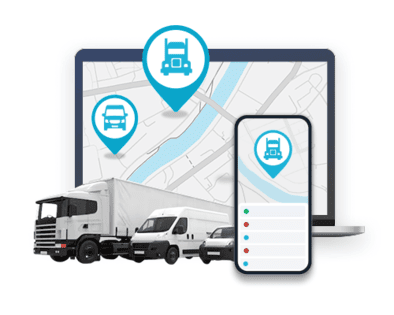
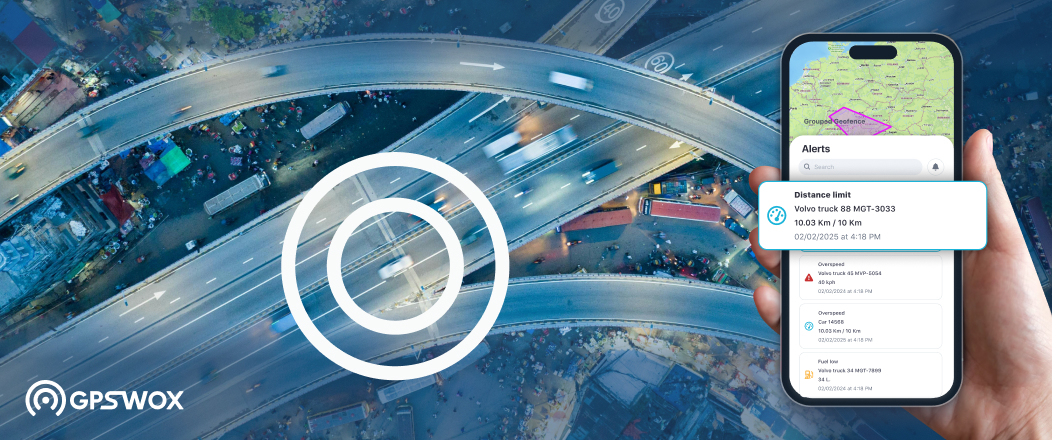
Your fleet shows up on one map, and you can see fuel data, vehicle status, and driver activity. Everything on one screen. The layout is not complicated, and most managers say they were comfortable with it after a day or two. The platform works the same way for five vehicles as it does for five hundred. Fuel use, driver behaviour, and vehicle condition all sit in one place.
Fleet management software
Drivers are making decisions you do not see, and costs appear at the end of the month that nobody can fully explain. Fleet management software changes that by providing visibility into what is actually happening across the operation.
The software does more than show you where every vehicle is. You can spot if a truck is taking unnecessary detours or if a driver is consistently leaving the engine running when it is not needed. When a vehicle develops a problem, you find out through the dashboard rather than through a phone call from a stranded driver. GPSWOX tracks this data continuously, so issues get handled early, not after they have already disrupted your schedule.